November 17, 2026
What to Do When a Fallen Tree Blocks Your Driveway After Severe Weather
By @woodlandlots
Assess the Situation Safely Before You Act
When severe weather hits, a tree or large limb can land across your driveway, trapping your vehicles and blocking access. The first instinct is to grab a chainsaw and start cutting. That impulse can be dangerous. Before you do anything, take a few minutes to assess the scene from a safe distance. Look up as well as around you. High winds often leave hanging limbs or split trunks that may fall without warning. Check for any power lines that might be touching the tree or lying on the ground nearby. If you see a downed power line, stay at least thirty feet away and call your utility company immediately. Treat every line as live until the utility confirms it is dead.
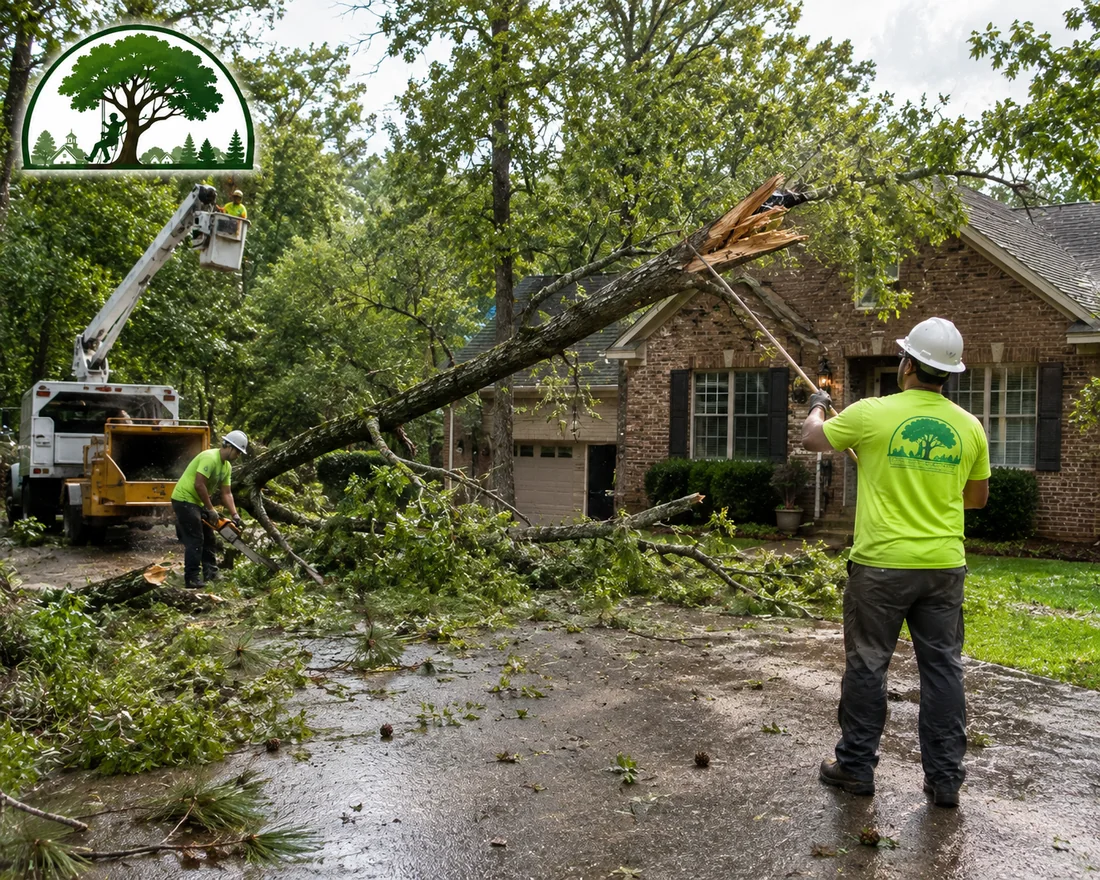
Once you are sure there are no electrical hazards, walk around the tree to see how it is resting. Is the trunk completely on the ground, or is it partially supported by branches or other trees? Is the root ball exposed, leaving a large hole? The weight distribution of a fallen tree can shift when you start cutting, causing the trunk to roll or drop. A tree that is under tension from being bent or wedged can whip violently when cut. These are situations where professional experience matters. If the tree is tangled with power lines, leaning on your house, or under obvious spring tension, do not attempt removal yourself. Call a professional tree service that handles emergency storm response. The site context for treeserviceindallas.com describes exactly that kind of local Dallas Georgia tree care service providing tree removal, trimming, emergency storm response, stump grinding, and debris cleanup for homeowners.
When You Can Safely Clear a Fallen Tree Yourself
If the tree is small, fully on the ground, and nowhere near power lines or structures, you can often clear it with basic tools. A fallen tree that blocks a driveway but does not threaten anything else is the kind of job a capable homeowner can handle. Start by removing any loose branches and debris that are easy to move by hand. Stack them away from the driveway so they are out of the way. This gives you a clearer work area and lets you see the full shape of the trunk. For larger branches still attached to the trunk, you may need a pruning saw or loppers to cut them free. Work from the outside in, cutting off side branches first before tackling the main trunk. This reduces the weight you have to deal with at each step and lowers the risk of the trunk shifting unpredictably.
When you are ready to cut the trunk itself, plan your cuts carefully. If the tree is lying across a driveway, you want to cut it into sections that can be rolled or carried off the pavement. Make your cuts at a slight angle so the ends are less likely to catch on the ground. Always stand on the side opposite the direction the cut piece will fall. Never cut directly above the ground; leave a few inches of stump so the saw blade does not hit gravel or dirt, which can dull the chain instantly. Wear heavy gloves, eye protection, sturdy boots, and hearing protection. A chainsaw is loud and produces flying debris. Even a handsaw can send wood chips into your eyes. Take your time. Rushing leads to mistakes and injuries.
When It Is Time to Call for Professional Help
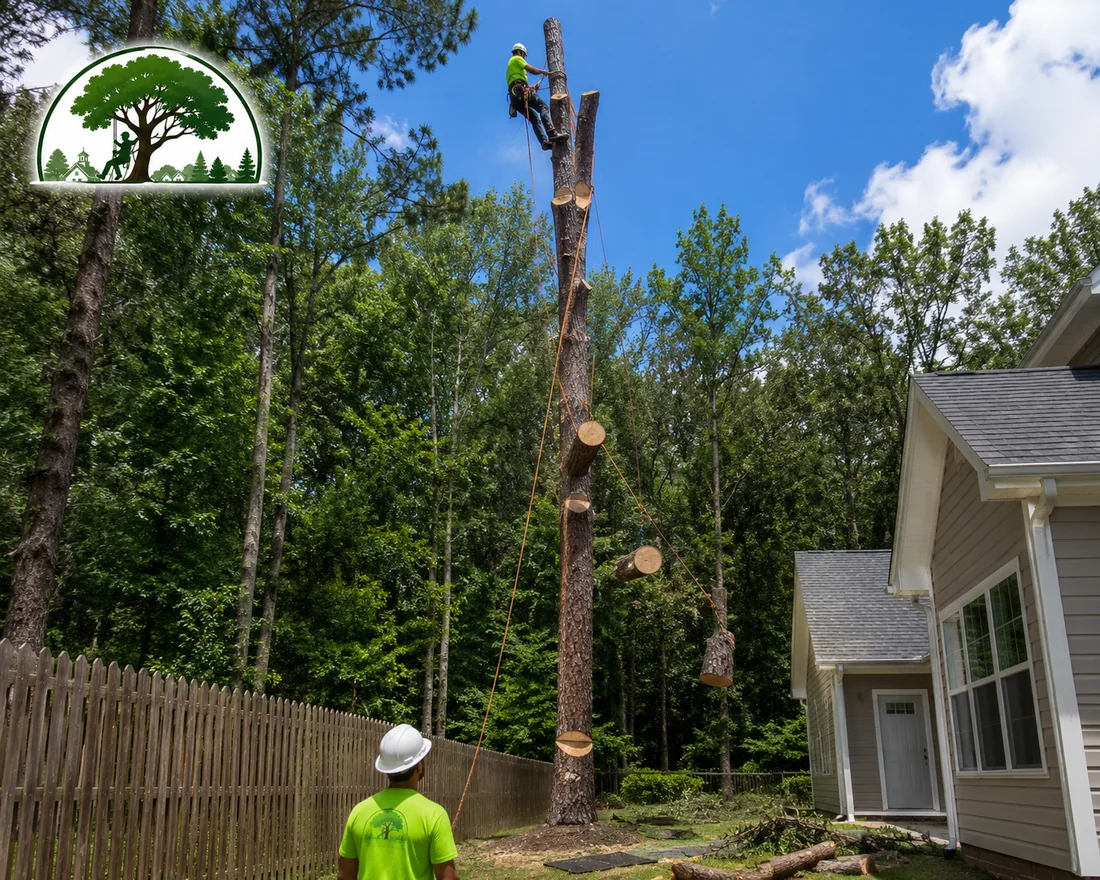
Some fallen tree situations are not safe for a homeowner to handle alone. A tree that is leaning on your house or garage, for example, is under load and can shift when you cut through it, causing more damage. A split trunk that is still partially attached to the stump can be unstable and fall in an unexpected direction. A tree that has fallen across a driveway but is tangled in overhead branches from another tree is a complex tangle that requires careful rigging and controlled lowering. These are jobs for a professional tree service with the right equipment and training. The same goes for any tree that is near a power line. Even if the line is not visibly damaged, the tree could be energized. Only the utility company should handle that situation.
Another common scenario is a tree that has fallen but left a large root ball exposed. The root ball is heavy and often full of soil and rocks. Cutting the trunk alone does not free the driveway completely; you also need to deal with the root end. That usually requires heavy equipment like a stump grinder or a winch. A professional tree service has the machinery to grind the stump and remove the root ball, and they will also clean up the debris so your driveway is fully usable again. If you have a tree that is blocking access to your home and you cannot get your car out, the urgency can make you want to act fast. But a bad decision in a hurry can turn a manageable problem into a costly one. A professional crew can often respond within hours for emergency situations, and they will have insurance in case something goes wrong.
Preparing for the Next Storm
Once the fallen tree has been cleared from your driveway, it is worth thinking about how to reduce the risk of it happening again. Trees that are healthy and well-maintained are less likely to fail in high winds. Look at the trees around your driveway. Are there any with dead branches, cracks in the trunk, or signs of disease? A tree that has a split trunk or a large hanging limb is a candidate for preventive trimming. Removing weak or overextended limbs before a storm hits can prevent them from becoming projectiles or landing on your property. Regular trimming also encourages a stronger structure that can withstand wind better.
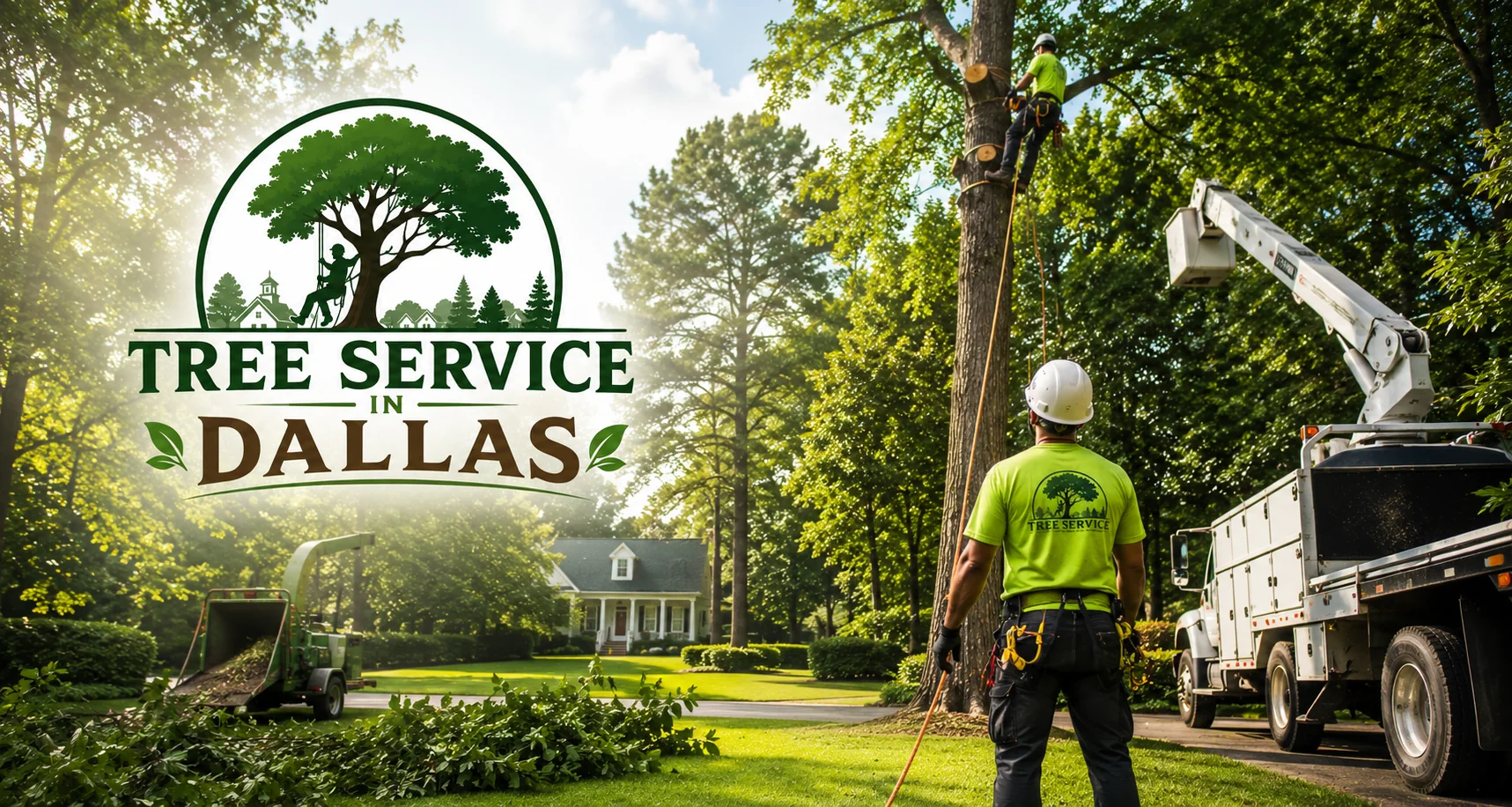
If you have trees that are close to your driveway, consider having a professional arborist evaluate them. They can identify issues you might miss, like root decay or internal rot that weakens the tree from the inside. A tree that looks healthy on the outside can still fail if its roots are compromised. A professional assessment gives you a plan for which trees need attention and what kind of trimming or removal is best. This kind of preventive care is exactly the kind of service a local tree care company provides. When you need that kind of help, a resource like treeserviceindallas.com can connect you with a provider that handles trimming, emergency response, and stump grinding for homeowners in the Dallas Georgia area.
What to Keep in Your Emergency Kit
After a storm, it helps to have a few basic items on hand so you can deal with a blocked driveway quickly. A good pair of work gloves, a handsaw or small chainsaw, a sturdy pry bar, and a strong rope can let you move smaller branches and cut through a modest trunk. A flashlight with fresh batteries is essential if the storm happens at night. Keep a phone number for a local tree service saved in your contacts so you do not have to search when you are stressed. Having these things ready before a storm hits saves time and reduces frustration when you are trying to get out of your driveway.
Also think about where you park. If a storm is forecast, move your vehicles away from large trees if possible. Parking on the street or in a more open area can keep your car from being trapped if a tree falls across the driveway. It is a simple step that can save you a lot of trouble the next morning. The same goes for outdoor furniture, trash cans, and anything else that can become a missile in high winds. Securing loose items around your yard reduces debris that could block your driveway or damage your property.
Final Practical Advice
Handling a fallen tree that blocks your driveway is about balancing urgency with safety. The first few minutes after you discover the blockage are the most critical for making good decisions. Take a deep breath, look around for hazards, and decide whether you can handle the job yourself or need to call in professionals. If you choose to do it yourself, work methodically, wear the right gear, and never force a cut that feels dangerous. If you call a professional, you are paying for their expertise and equipment, so let them do the work without interference. Either way, the goal is to clear the driveway safely and get back to normal as quickly as possible. With the right approach, a fallen tree is just a temporary inconvenience, not a lasting problem.
❧